
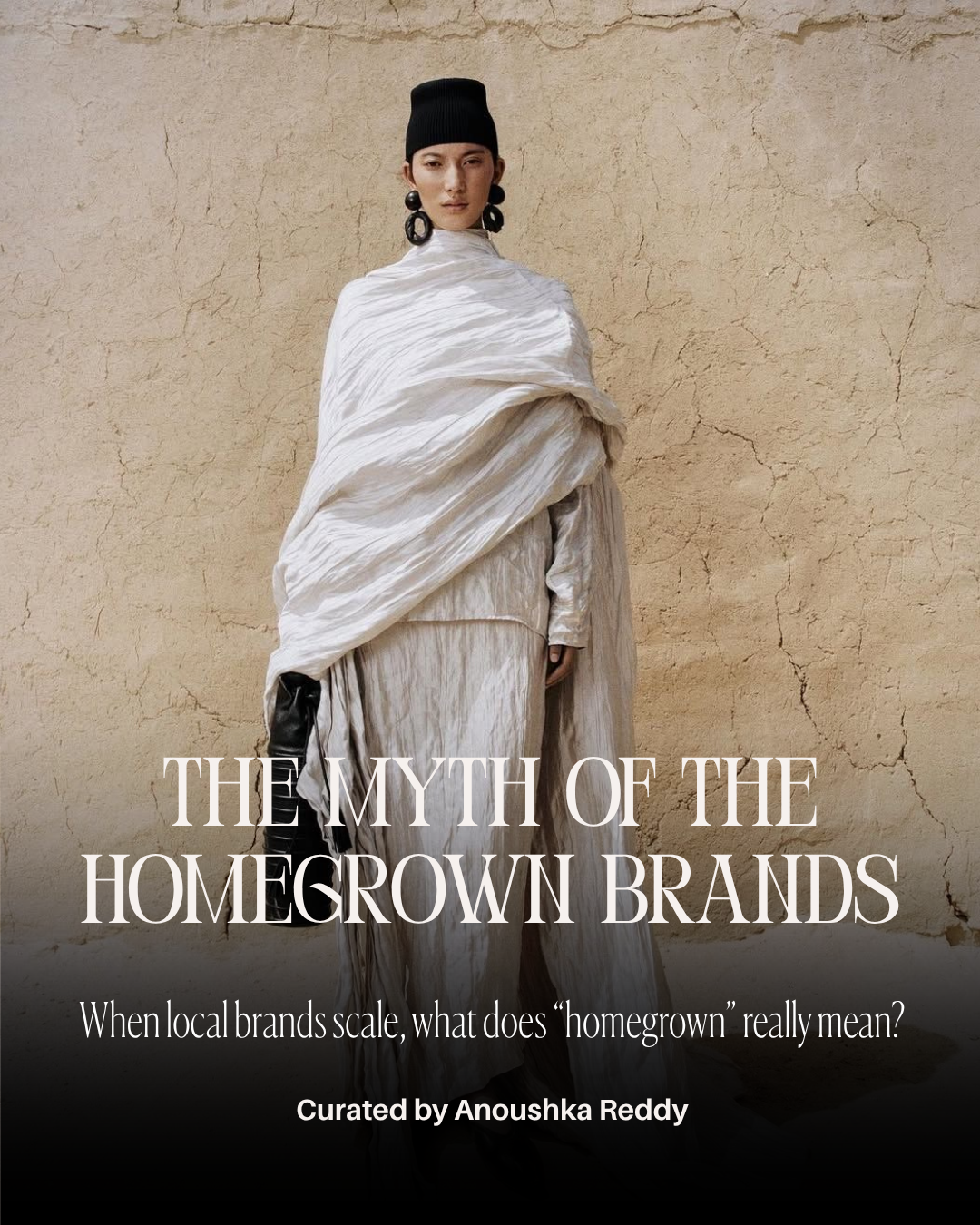
For decades, aspiration moved in one direction: outward. Imported meant better. International brands felt more polished, more trustworthy, more desirable. That idea didn’t come out of nowhere. It was built over years of globalization, marketing, and access.
But over the past decade, something has shifted.
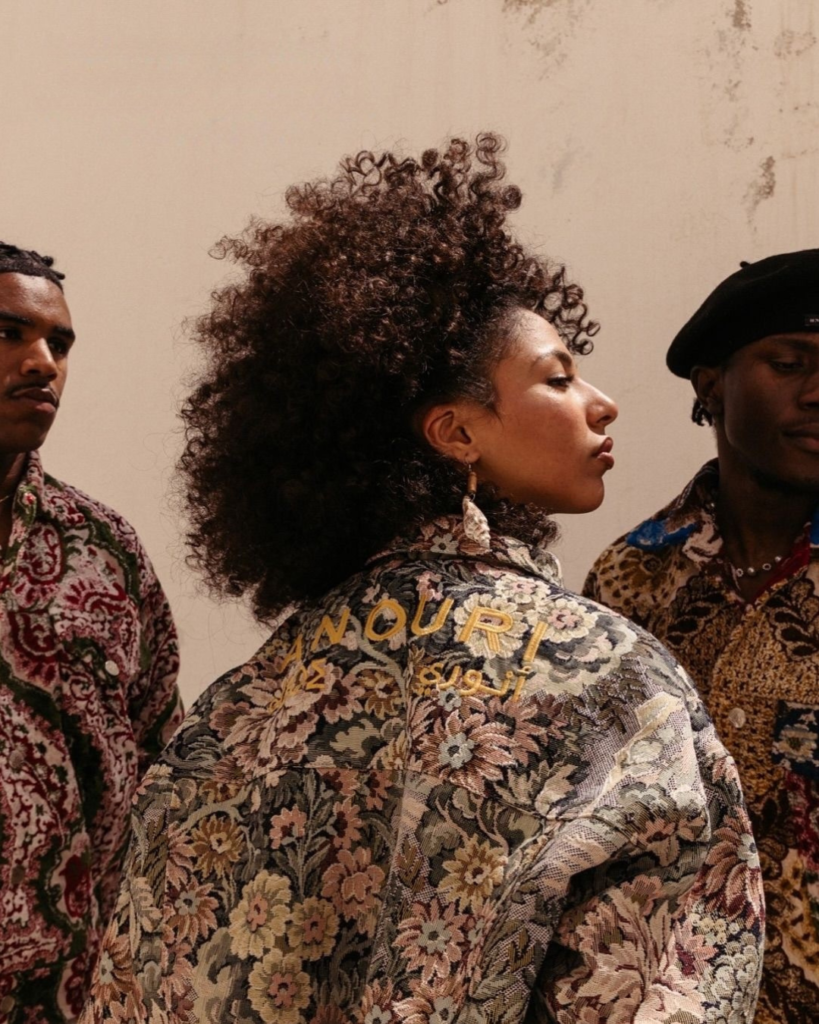
Across industries, a new generation of brands now call themselves as “homegrown.” The word does more than describe where a brand is from. It suggests authenticity, cultural fluency, and a closer connection with the consumer. And that matters, especially to a generation that is more skeptical of large corporations.
In India, this shift has been particularly visible. The country has witnessed the rapid rise of digital-first businesses built around local identity, community engagement, and direct-to-consumer distribution. Over the last decade alone, hundreds of D2C brands have entered the market, changing how products are made, marketed, and sold.
Yet as these brands scale, a more interesting question emerges:
At what point does a homegrown brand stop being homegrown?

The Infrastructure Behind The Movement
The rise of homegrown brands is not simply cultural. It is infrastructural. The internet made it easier to start a brand than ever before. You don’t need physical stores, large distributors, or traditional advertising anymore. Social media lets brands speak directly to consumers. Logistics and payment systems make it possible to sell to anyone, anywhere.
For founders, this removed many of the barriers that once defined retail. For consumers, it changed how brands were discovered. Brands could appear through influencers, targeted advertising, or online marketplaces, making the experience feel far more personal and immediate. At the same time, as India’s middle class expanded and internet access deepened, demand also grew for brands that felt culturally relevant rather than globally generic.
Nykaa, founded in 2012 as an online beauty platform, shows how quickly this model can scale. What began as an e-commerce marketplace evolved into a vertically integrated brand ecosystem combining retail, private labels, and content. It made global beauty accessible, but through an Indian platform. Similar trajectories can be seen in companies like Mamaearth, which built a large following through digital-first marketing, and Forest Essentials, which positioned traditional Ayurvedic formulations within a modern luxury framework. Gloablly, brands such as Glossier and Aesop reveal how strong identity and carefully cultivated narratives can transform niche companies into globally recognized brands.
But scale brings a paradox. It may be easier to start a brand today, but building one that actually scales requires far more complex infrastructure. Supply chains, investor networks, and distribution systems require operational experience and capital. And as brands expand, these systems often become increasingly global.
The Perception Gap
Even as homegrown brands grow, consumer perception does not always change at the same pace. In many emerging markets, prestige is still closely tied to international labels. That association has been built over time, and it doesn’t disappear overnight.
This creates a subtle contradiction in consumer behavior. Consumers may genuinely want to support homegrown brands, local craftsmanship and innovation, yet still turn to international labels in certain categories especially luxury. It’s not always about quality. It’s about perception. And that gap remains one of the biggest challenges for homegrown brands.
Heritage As Strategy
Not all homegrown brands come from the startup ecosystem. Some come from something deeper; culture.
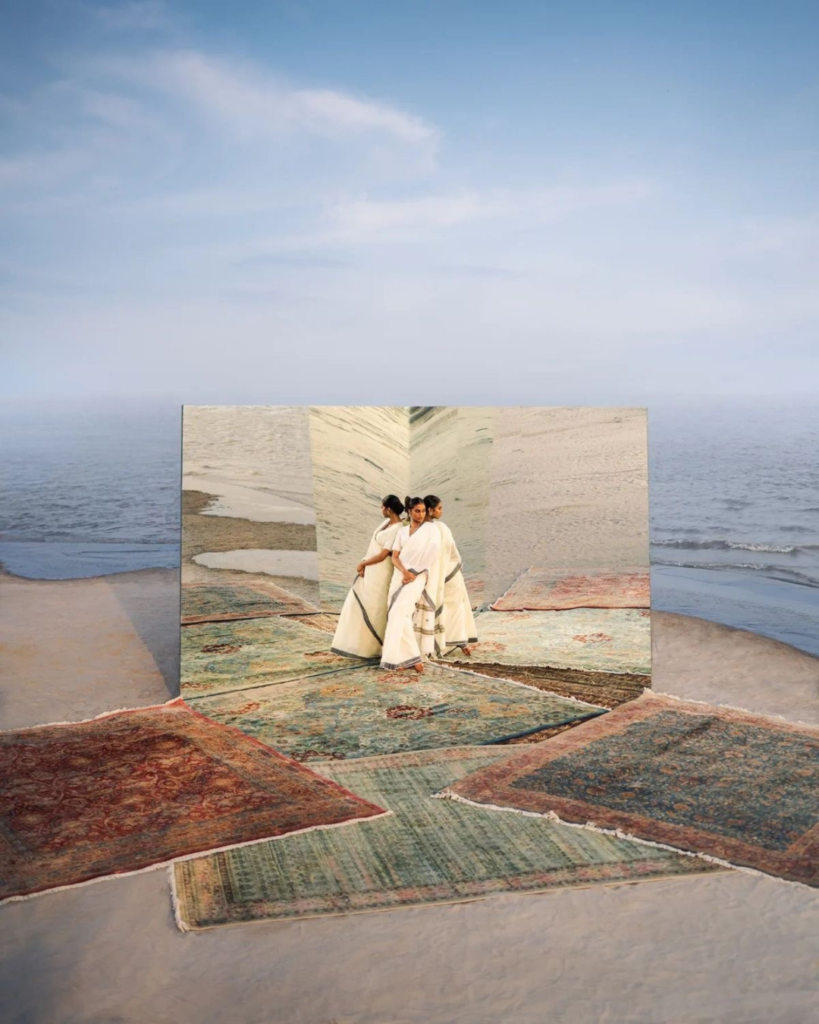
Raw Mango, for example, presents traditional Indian textiles such as Banarasi silk through a contemporary design approach. It doesn’t treat heritage as something static, but as something that can evolve.
Similarly, Forest Essentials has built luxury narratives around Ayurvedic formulations and traditional wellness philosophies, presenting itself not as alternatives to global beauty standards but as equally sophisticated systems of knowledge.
These brands don’t compete by trying to look global. They compete by leaning into what is already theirs.
Yet even here, the lines between local and global blur. Forest Essentials, for instance, received significant investment from Estée Lauder Companies in 2008, linking its growth to one of the world’s largest beauty conglomerates.
The question that follows is inevitable:
If a brand’s capital, distribution, and influence become international, does its identity remain local?

The Cost Of Authenticity
Beyond narrative and perception lies the economic reality of building a modern brand. Digital-first companies often promise transparency, sustainability, or cleaner formulations, values that resonate strongly with younger, urban, digitally engaged consumers. But delivering on them at scale is not simple.
Customer acquisition has become more expensive. Social media is more competitive. At the same time, supply chains have grown more globalized, even for brands that position themselves as local.
These pressures mean that many companies eventually rely on venture capital investment, strategic partnerships, or acquisitions to sustain growth. At that point, the line between “independent brand” and “large corporation” becomes less clear than branding narratives might suggest.
A Global Pattern
This isn’t just happening in India. Across markets from South Korea to Australia, brands rooted in strong cultural identities are scaling globally. Brands such as Aesop, which began as a niche Australian skincare company, built international followings through a carefully crafted philosophy of design, product formulation, and retail experience.
What connects these brands isn’t just where they come from, but their ability to translate local insight into universal appeal. They begin with cultural specificity, but scale through storytelling.
When “Homegrown” Becomes Identity
Perhaps the most interesting aspect of the homegrown movement is that the label often doesn’t go away. Even after brands expand globally, raise international capital, or expand their supply chains across continents, they continue to be described and to describe themselves as “homegrown.”
At that point, the word stops being literal. Instead, it becomes a way of saying: this is where we started, this is what shaped us, this is how we see the world. Because the reality is that very few brands remain purely local as they grow.
Yet the idea of being homegrown continues to carry weight; not because it defines where a brand operates, but because it explains how it began.
And in a global marketplace, origin is often the story that endures.