
by Muskaan Choudhary
The creative industry is experiencing one of the most profound shifts in its history. Generative AI has moved from experimental technology to an everyday creative tool, transforming how ideas are conceived, visualized, and produced. At the center of this transformation is a new kind of collaboration between human creativity and intelligent systems.
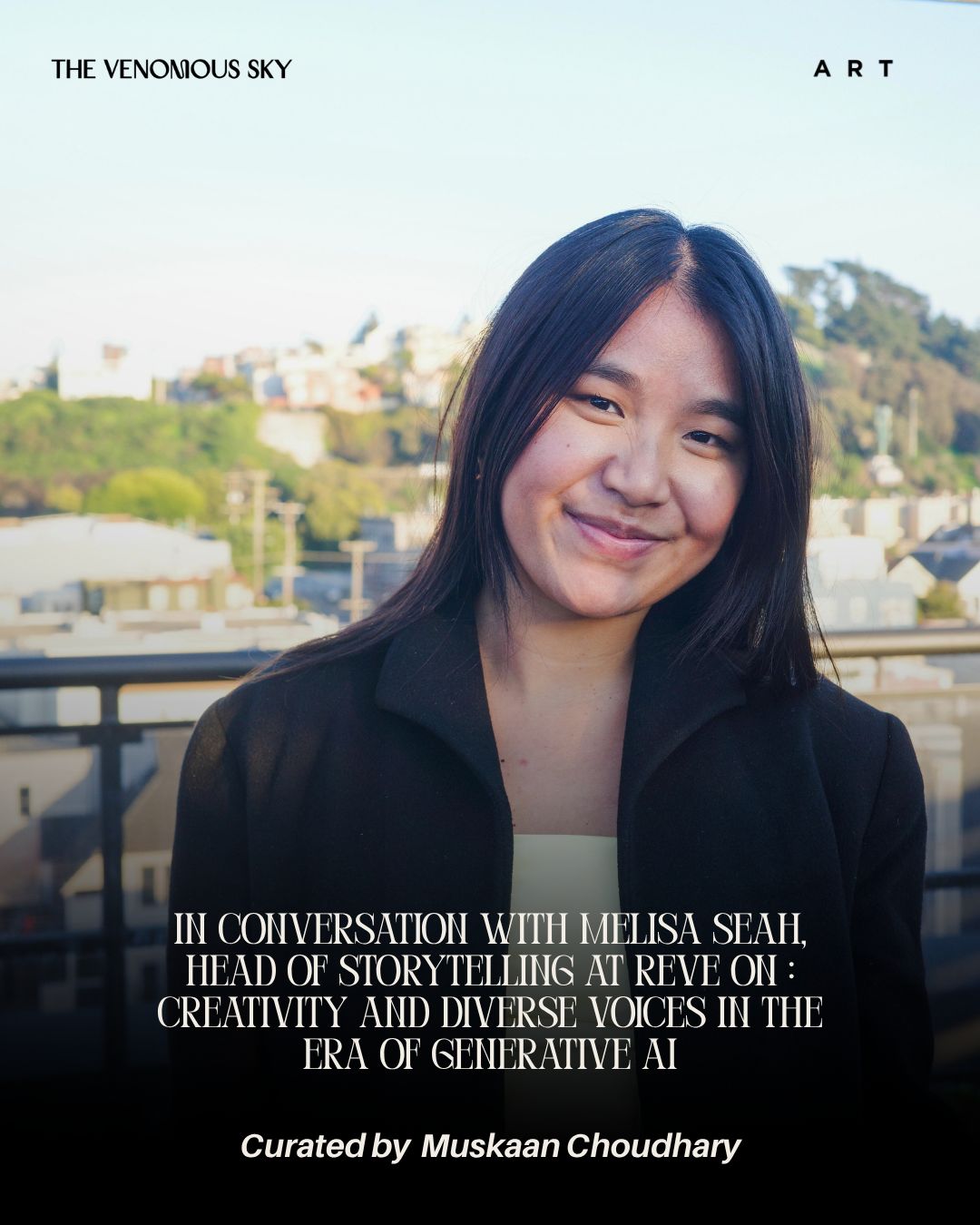
In our recent conversation with Melisa Seah, Head of Storytelling at Reve shared insights into how this new creative era is unfolding and what it means for designers, studios, and independent creators worldwide.
Creativity Isn’t Being Replaced, It’s Expanding.
1. With Generative AI changing how things are produced, how do you see traditional industry roles like designers and creative directors evolving within the production pipelines?
“Designers and creative directors are the heart and soul of the creative industry. They will continue to shape visual language and aesthetics, and can intertwine generative AI into their workflows to drive greater iteration and creation.” — Melisa Seah
Whether it’s exploring new concepts at the storyboarding stage, visualizing a range of styles and looks, or making final edits on an image, new creative tools can enhance and expand what creativity looks like at every stage.
The Rise of Taste in a World of Shared Tools
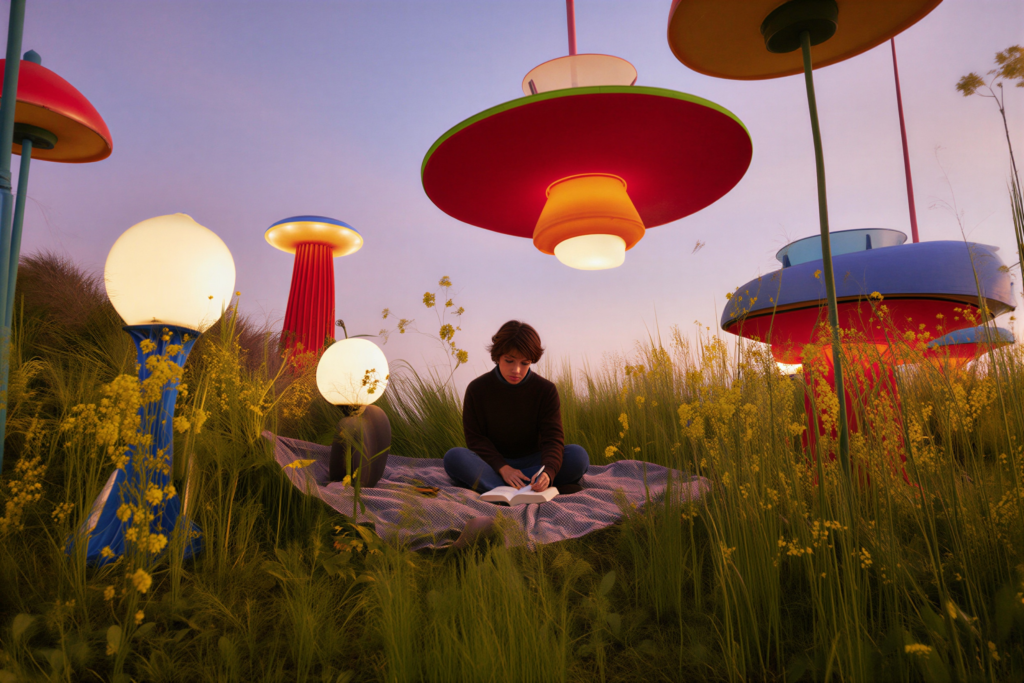
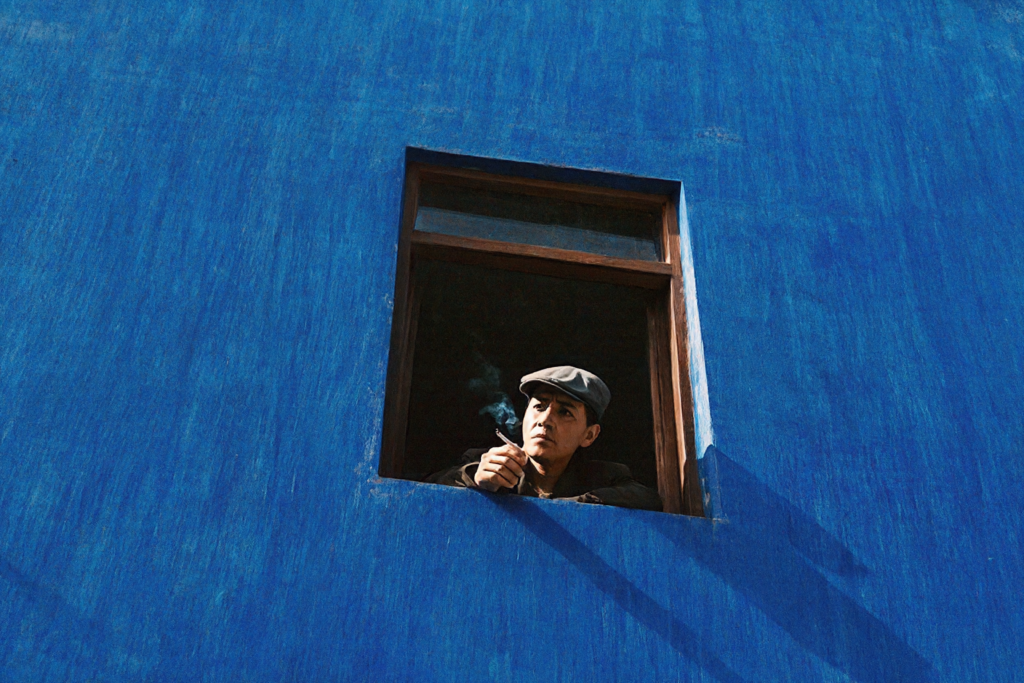
Using the analogy of a skilled chef creating a remarkable meal with the same utensils as everyone else, Melisa explains that the same principle applies to AI and creatives using the same tools will still produce distinct outcomes shaped by their creative eye and mindset. Through this, she emphasizes that both taste and technical skill are essential to crafting a thoughtful creative work.
Building at the Frontier of Innovation & The Importance of Diverse Voices in Storytelling
2. As a woman leading storytelling in a technology-driven space, what perspectives do you feel are important to bring into creative and narrative leadership today? And do you think having more women in creative leadership roles changes how perspectives get represented?
Melisa shares that working at Reve over the past year has been incredibly dynamic, with the most exciting part being innovating at the frontier of generative AI and building a product intentionally designed for creativity. She finds it especially rewarding to see millions of users integrate Reve into their workflows. She adds that the biggest challenge is adapting quickly to rapid industry and product changes, yet being part of such fast-paced innovation makes the experience exciting and fulfilling.
For her the foundation of great storytelling and creative work is shaped by the leaders of the past, so curating a great range of inspiration and references from women leaders becomes essential to lead with intention. Everyone comes to the table with their own unique experiences and perspectives shaped by their culture, lived experience, and style, so bringing that level of diversity to the table always enhances the shared output of great work.


Artistic Vision & The Rise of Independent Creativity Over Technology
3. As generative AI reshapes visual storytelling over the next 5–10 years, do you think the most influential creators and studios will be defined more by their technology stack or by their artistic point of view?
Melisa explains that true influence in the creative industry comes from unique voices and distinct perspectives, with the quality of storytelling ultimately shaping how work is judged. She notes that generative tools have made it easier for independent artists and small studios to bring ambitious ideas to life without traditional resource barriers, citing examples like filmmakers using Reve to create projects such as the Runner’s High story. She adds that both indie creators and large studios are now experimenting with these tools to expand storytelling possibilities across the industry.
Collaboration as the Future of Creative Tools
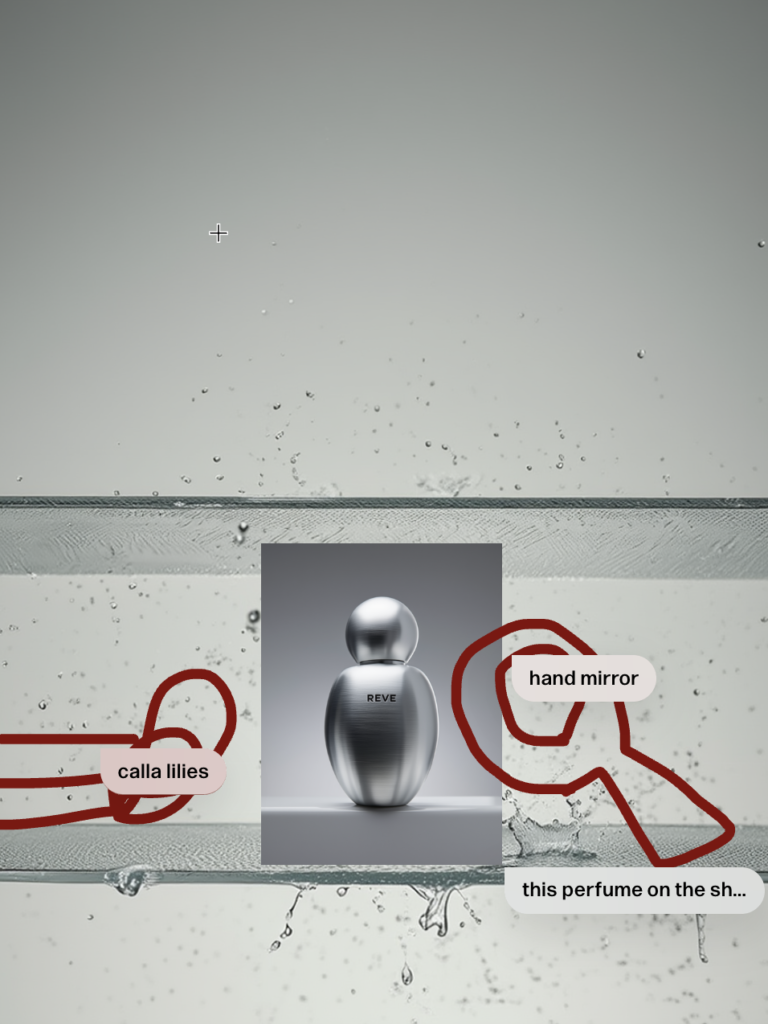
4. The newly launched Annotations feature by Reve allows creators to guide the AI visually rather than just through prompts. Do you see this as a step toward making AI feel more like a collaborative creative tool rather than just a generator?
Melisa explains that new features like Annotations signal a shift toward more collaborative creative workflows, where creators can guide AI visually through sketches, selections, and direct edits rather than relying only on text prompts. She believes the future of creative tooling is inherently visual, making it easier than ever to bring ideas to life and refine them simply by annotating. In her view, this evolution reflects a broader move toward AI as a creative partner, with tools designed to support an iterative and collaborative creation process, where annotating in Reve is as simple as spotlighting, drawing, or selecting what to modify.

Rethinking Authorship in a New Creative Era

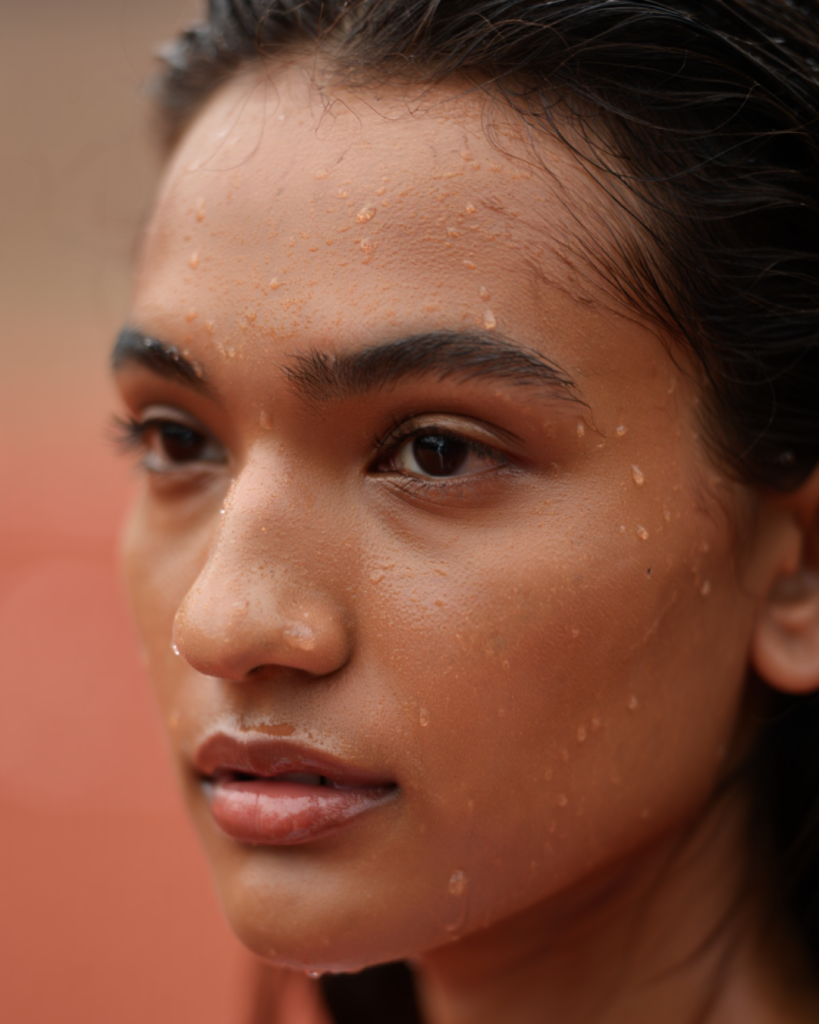

Melisa explains that everything created today is a blend of what came before and what is new. In her view, AI imagery reflects this philosophy, it represents both the creator’s intention and vision as well as the strengths of the model shaped by its curated dataset. Ultimately, she sees the final result as a combination of all these influences coming together into something new.
She concludes by saying that the creative industry is undergoing rapid transformation as generative AI lowers barriers, accelerates workflows, and expands the possibilities of visual storytelling. Despite these changes, she emphasizes that human creativity remains at the center, with vision, perspective, and storytelling continuing to define the work that shapes culture.