

The Heritage in the Hands That Paint.
A conversation with Jonathan López on painting, photography, and the surfaces that carry the weight of the hand that made them.
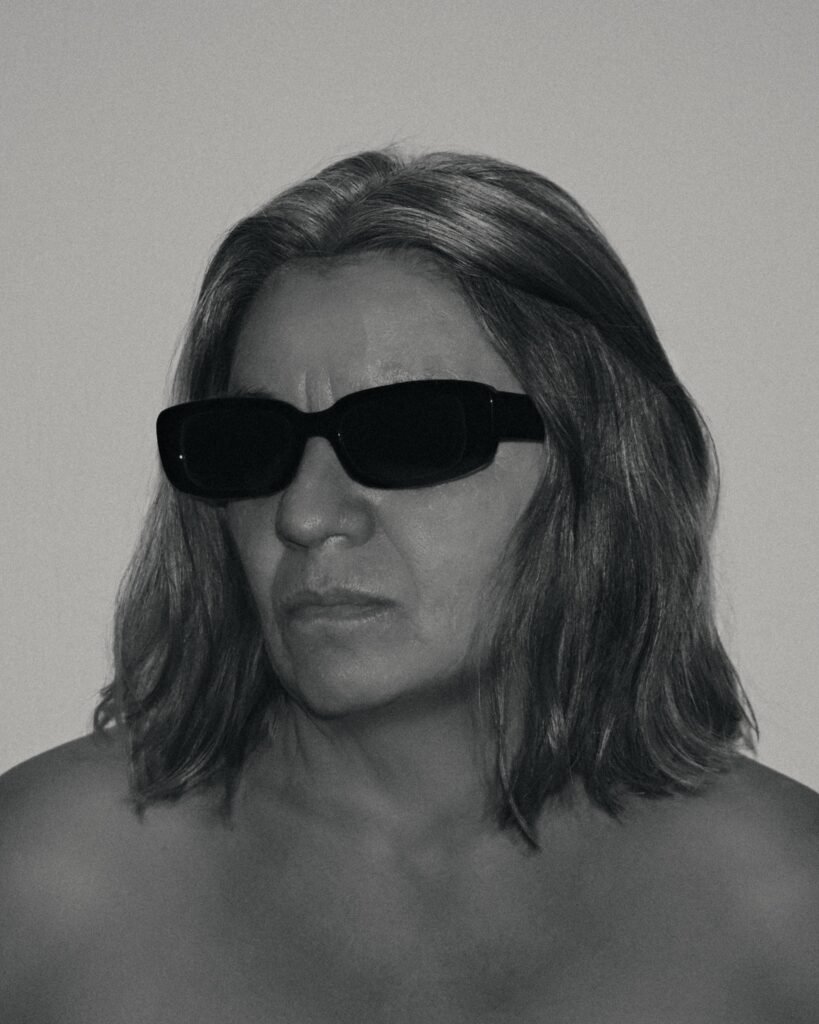
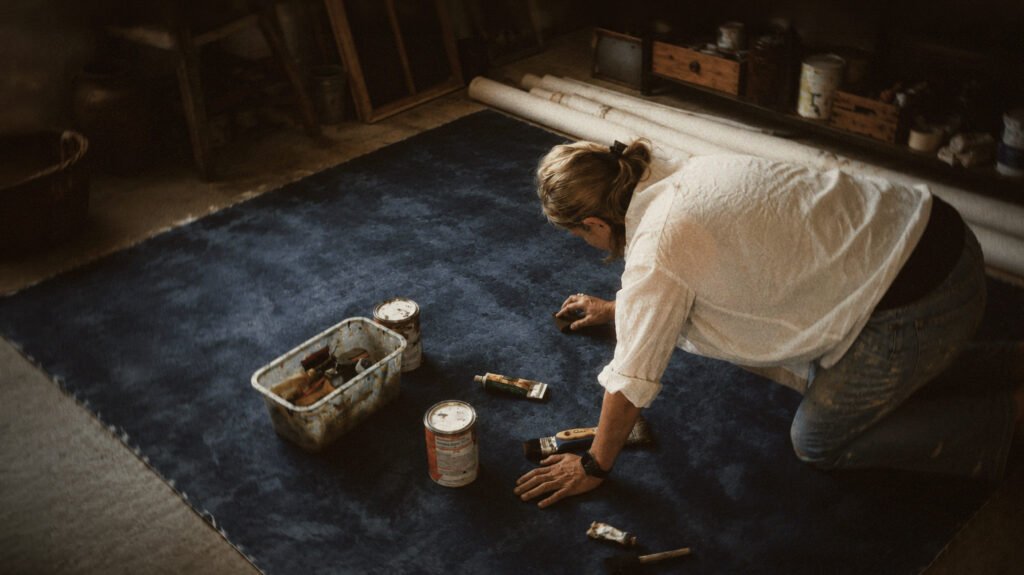
Every MSTIZO piece hides an ancient gesture. At the studio founded in Mexico by Isabel Campos and her son Jonathan López, painting and photography stop being separate disciplines and become a single language: that of the hand-painted backdrop. In conversation with Jonathan, we were guided through the handmade universe he built together with his mother. Isabel began painting at 18, in 1988, trained in the Romantic and Impressionist tradition of landscape oil painting. Jonathan grew up between canvases and cameras, becoming a creative director and fashionphotographer. From the union of these two ways of seeing, MSTIZO was born
from something deeper and more deliberate:
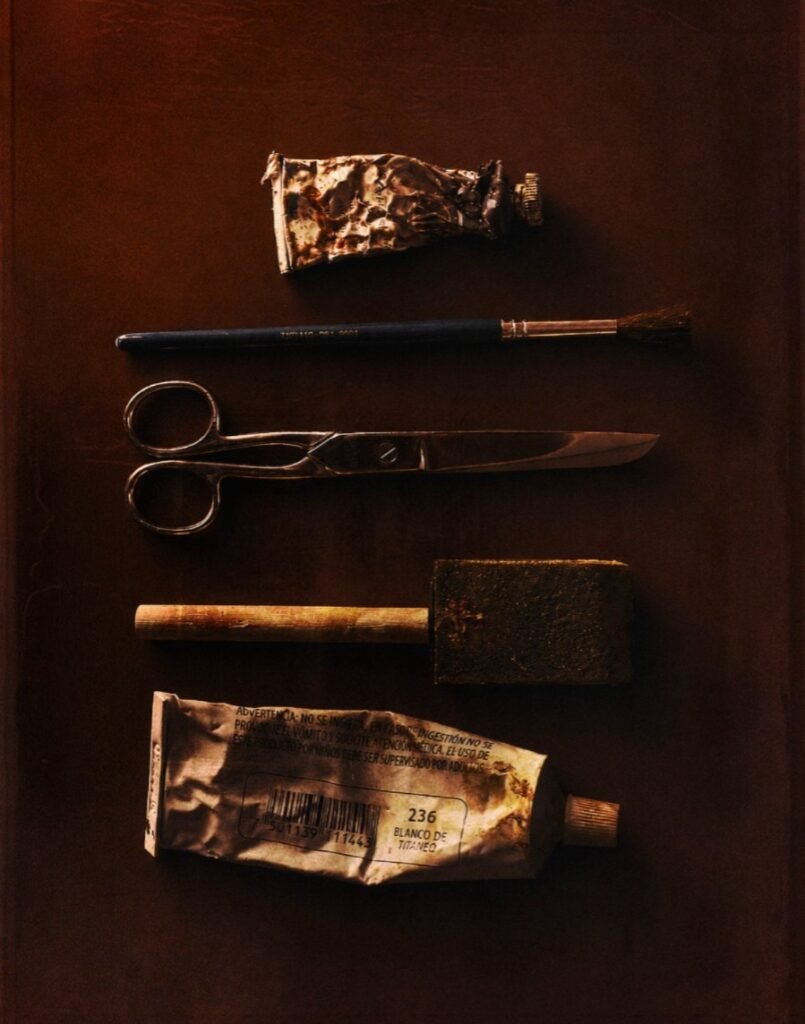

As they explain: “We wanted to create surfaces with a physical presence –pieces that carry the time, patience, and gestures of the person who made them.” The backdrops they create are invitations for photographers,
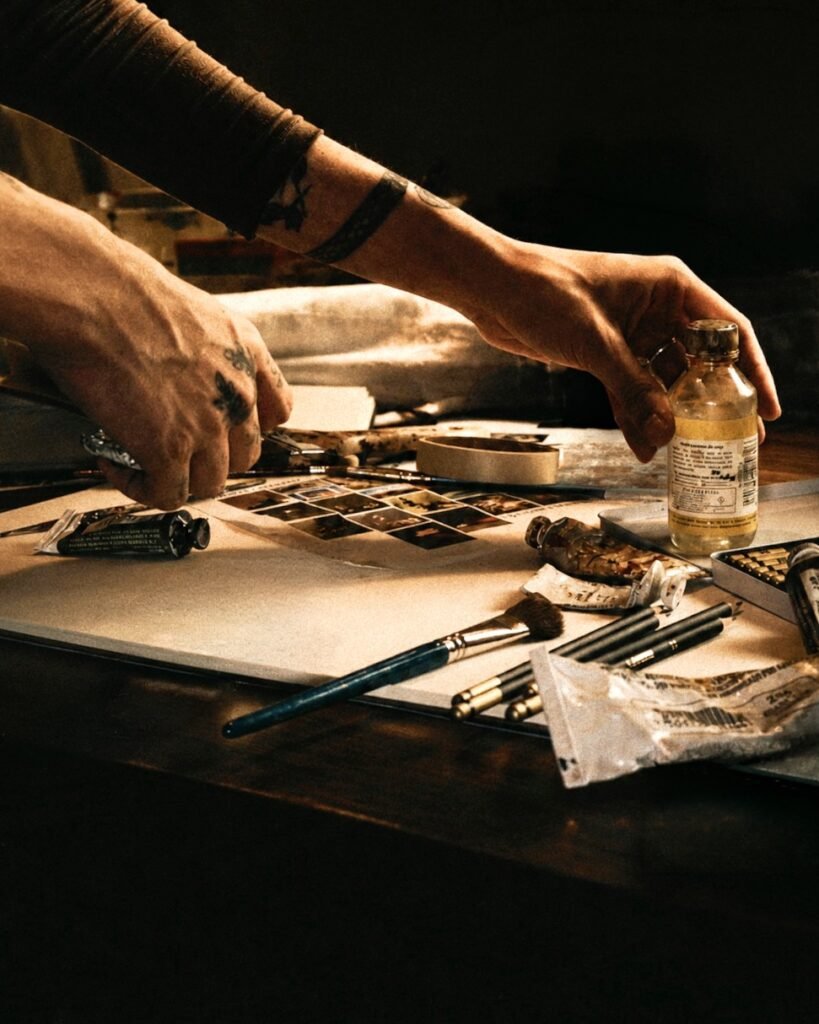
filmmakers, and art directors to build the visual narrative on top of them.The process always begins with an idea, a feeling: “We research through art history, painting, photography, materials, and textures until the concept begins to take shape, “ they say. Only afterward come the palette, texture, and finish, tested on small samples before arriving at the final surface. And even then, the work isn’t over: each canvas is photographed and lit to understand how it behaves in camera. “Light can reveal or completely transform its texture, sothis becomes part of the creative process. There is always a balance between intention and allowing the hand to leave its mark.”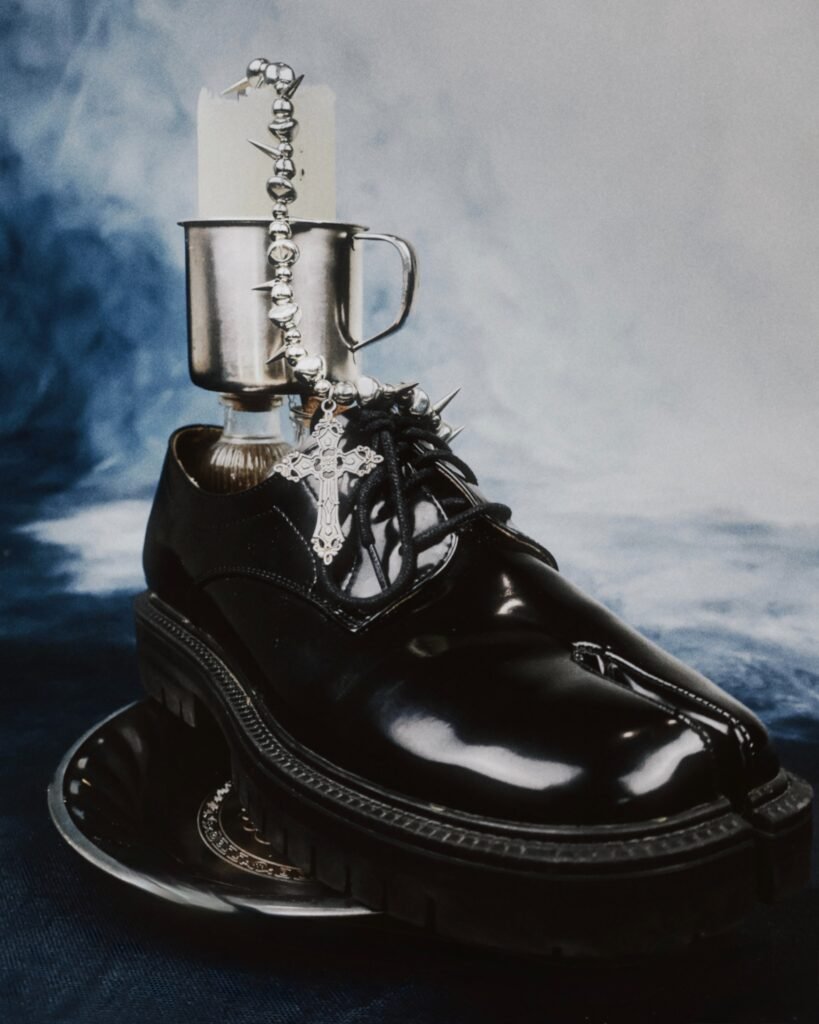
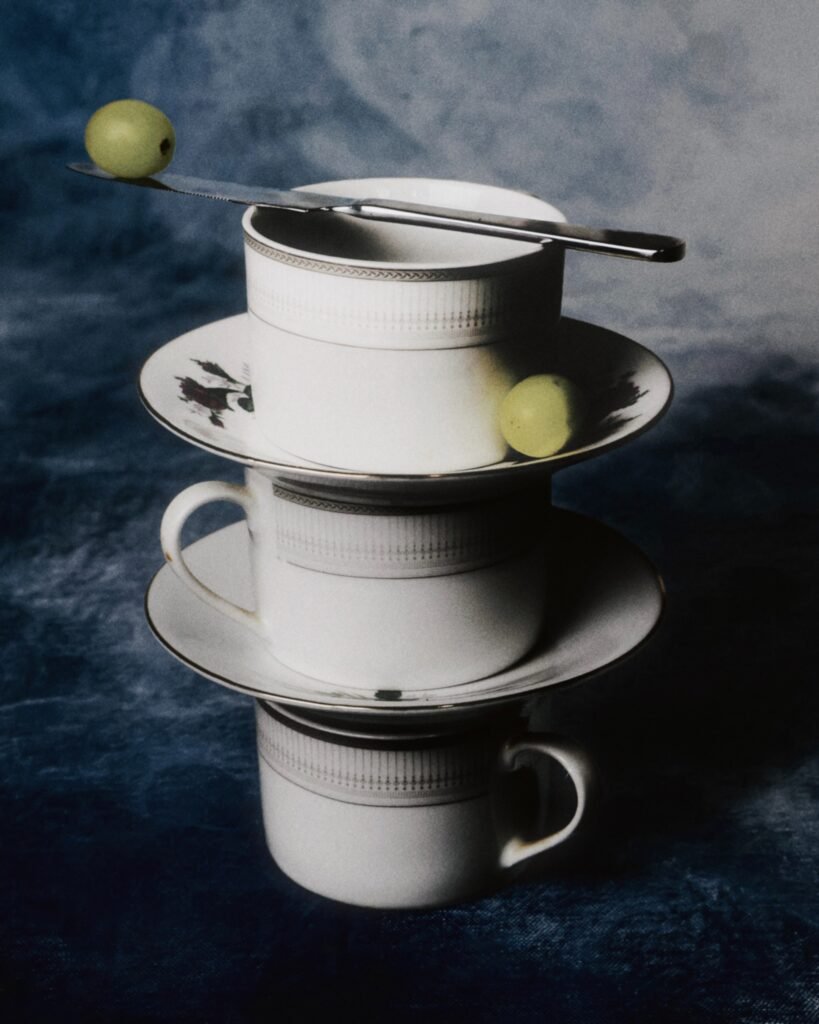

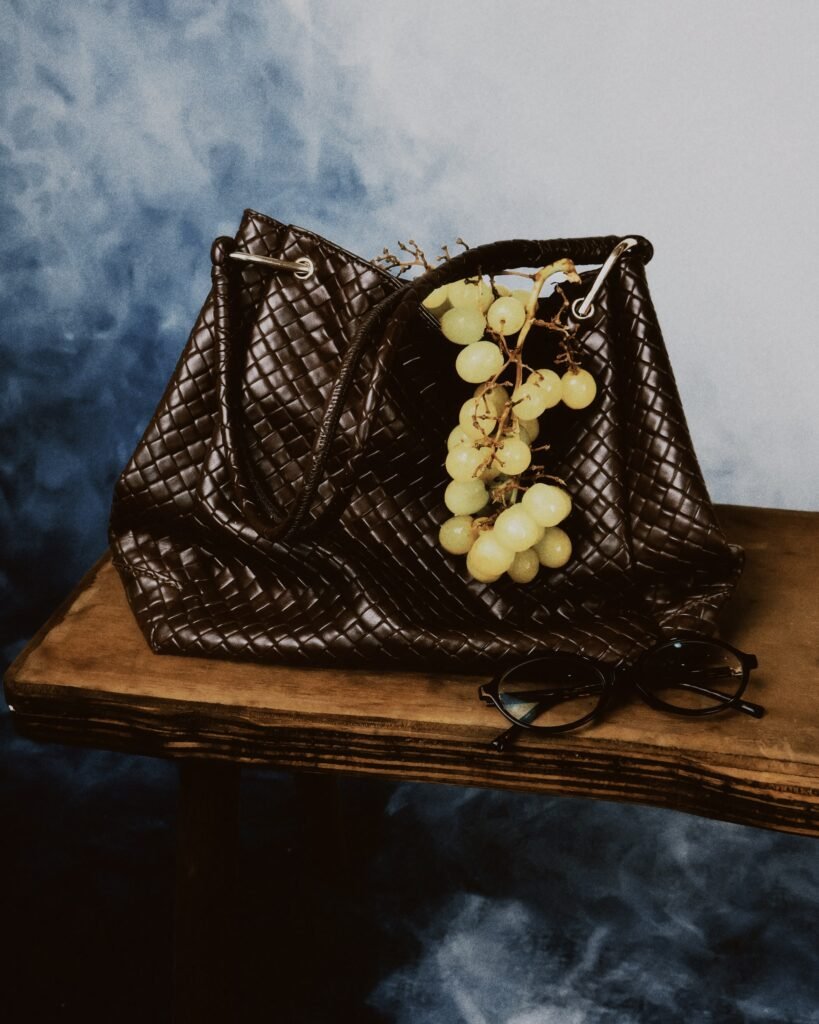
It’s precisely this imperfection, part of the creative process itself, that MSTIZO refuses to hide. “For us, those imperfections are not something to correct. They are what give the surface its character,” they state. Unlike a printed image, the painted surface gives photography something profoundly human back: “a sense that someone was there, physically making the surface, rather than simply reproducing an image onto it.“
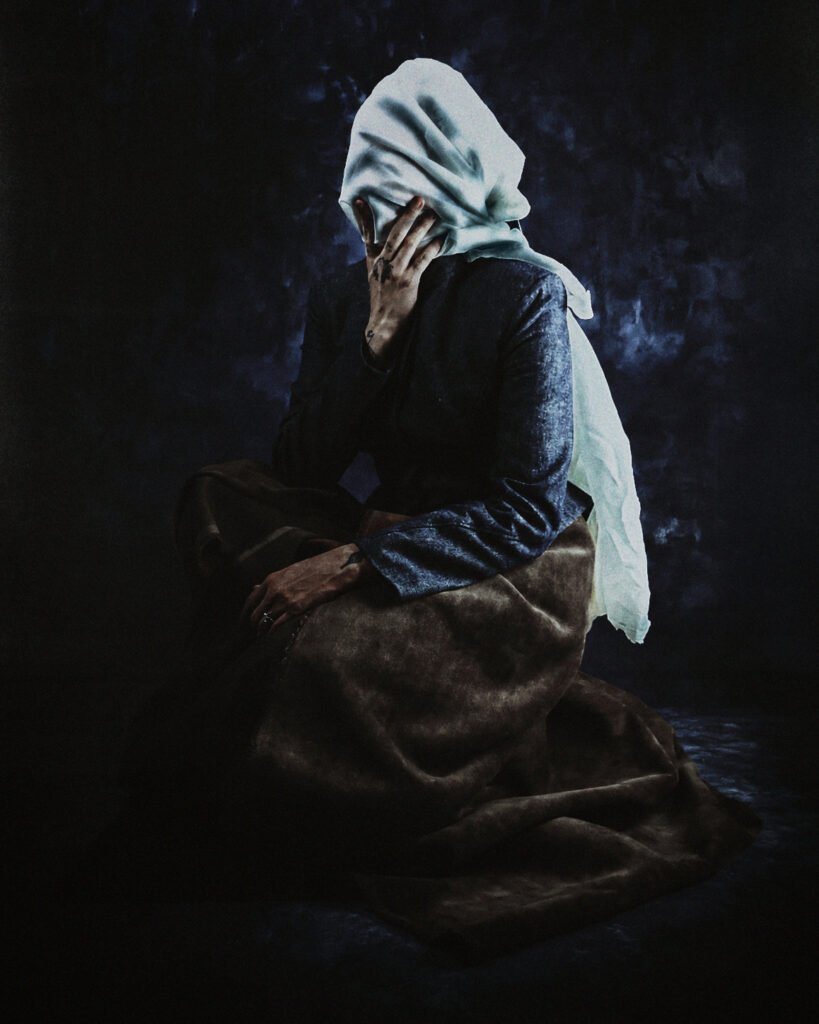
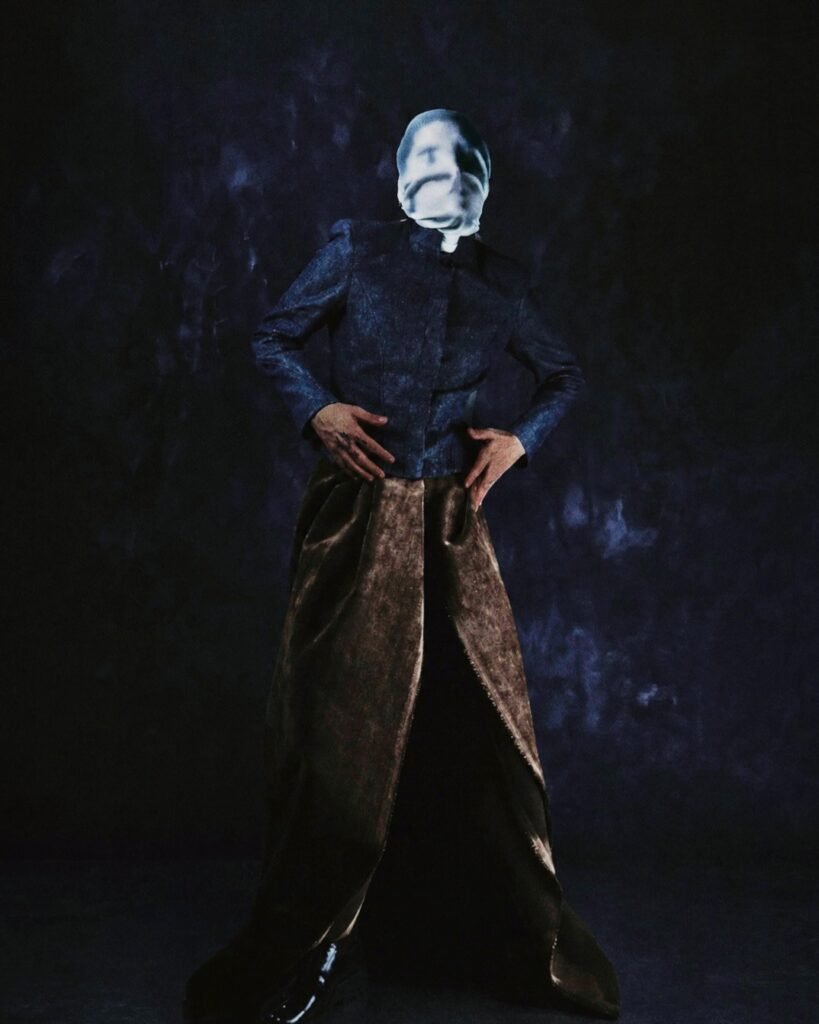
This fusion between painting, photography, film, and art direction turns into heritage. “Being based in México is deeply connected to how we understand making. There is a strong culture of craftsmanship here – of working with your hands, of valuing the maker, and of passing knowledge from one set of hands to another.“
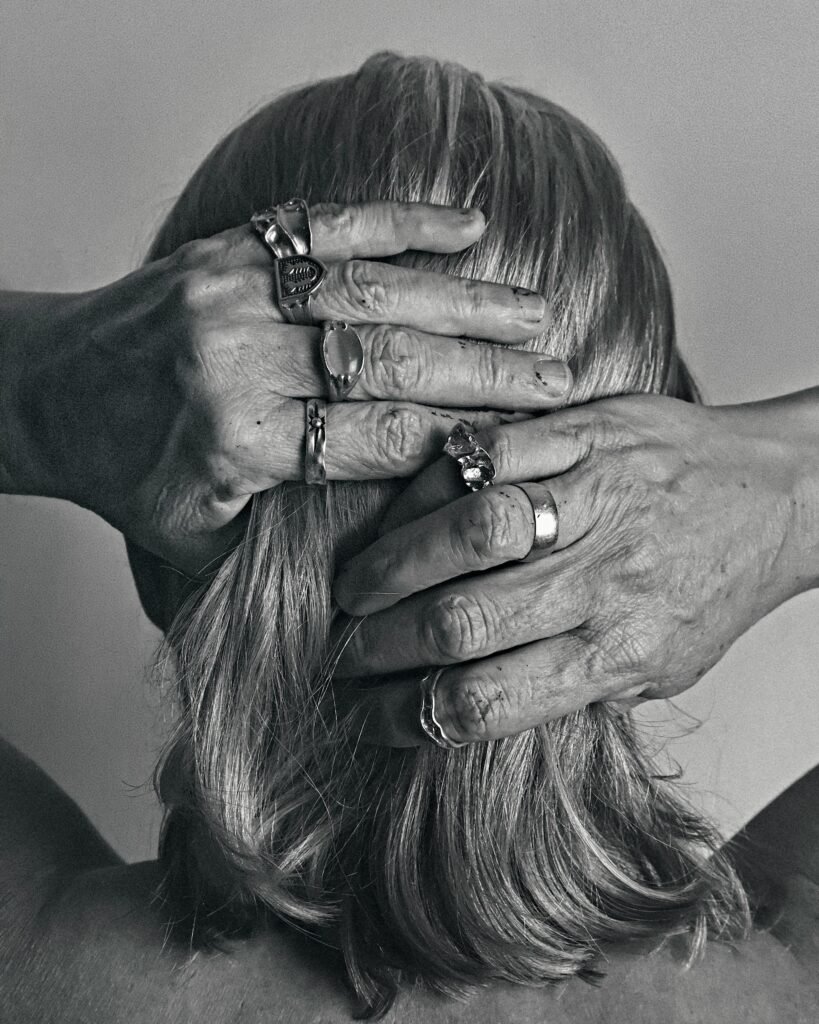
It’s this relationship between ancestry, material, and time that runs through every MSTIZO piece and that sums up, perhaps, the essence of what they set out to do: “an ongoing relationship between identity, material, and the hands that make.“