
How did you decide on a mix of your own website and select concept stores, and how do you choose which stockists carry AIROKAD?
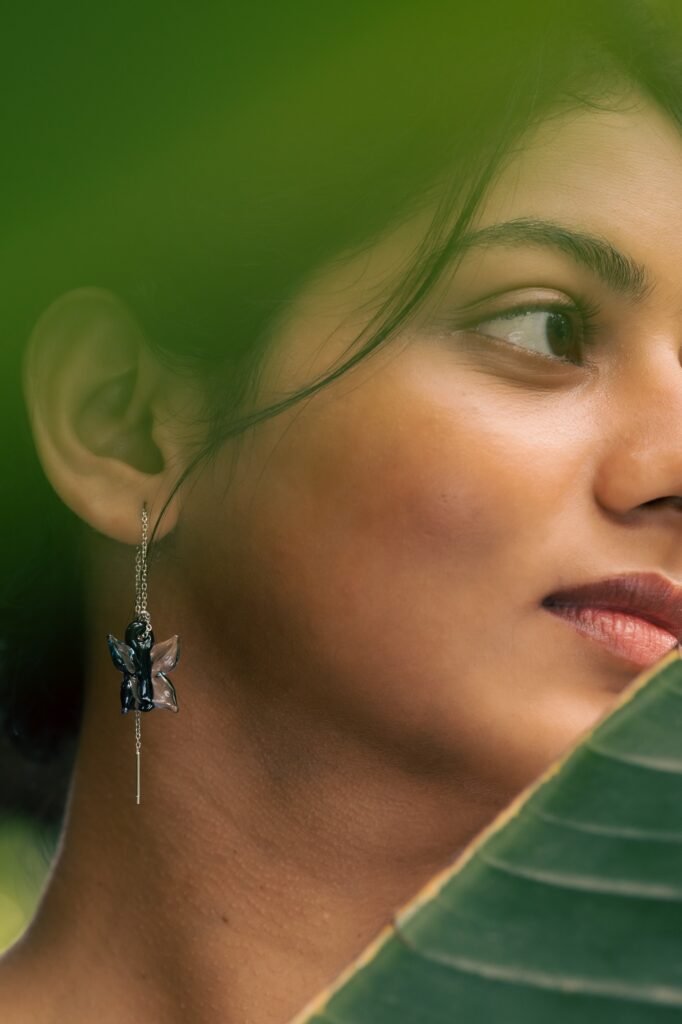
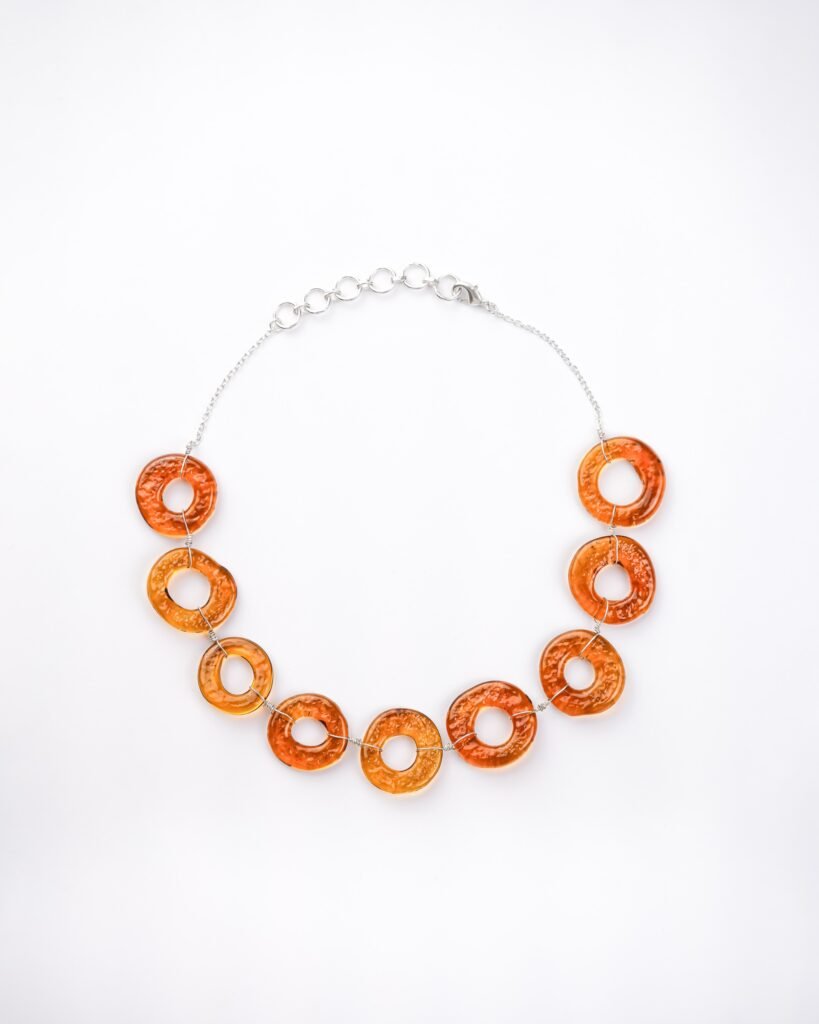
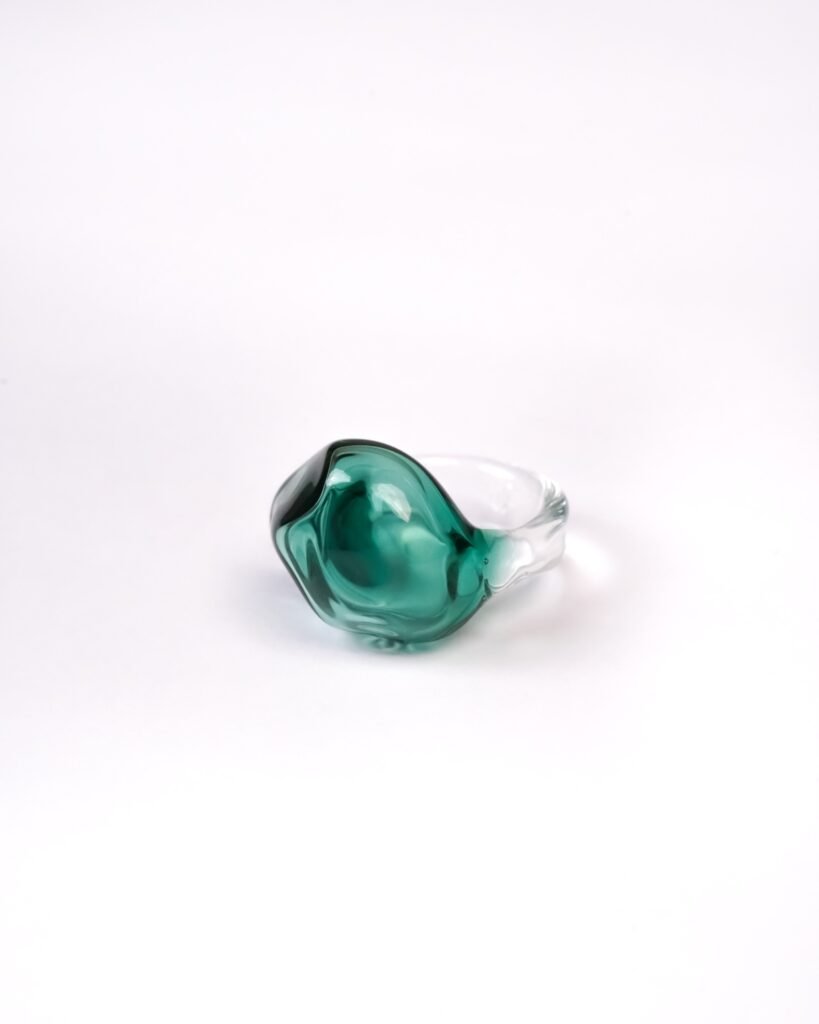
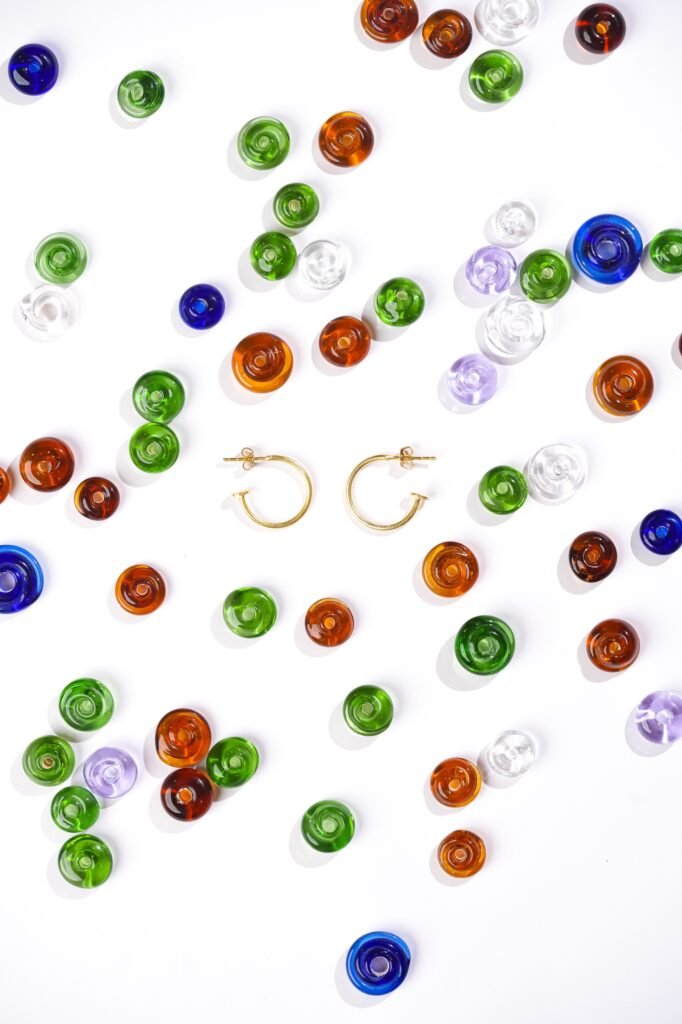
For me, the website is the centre stage of AIROKAD. It allows me to present the products exactly the way I intend them to be seen — edgy, playful and colourful — while also showing how the pieces actually look when worn. Especially with glass jewellery, I think it’s important to give people a very clear sense of the scale, colour and personality of a piece. When it comes to stockists, I’m quite intentional about where we choose to be. One factor is looking at the cities from which we already see the most sales online. The other is looking at cities that are cultural and artistic hubs in themselves. Places like Kochi and Goa, for example, have a strong design and art sensibility, as well as a constant influx of travellers. I feel AIROKAD naturally fits into those environments. So for me, it’s not about having as many stockists as possible. It’s about finding the right cities, spaces and audiences where the brand feels at home.
How does an idea become a finished, one-of-a-kind glass piece, from first inspiration to final glasswork?
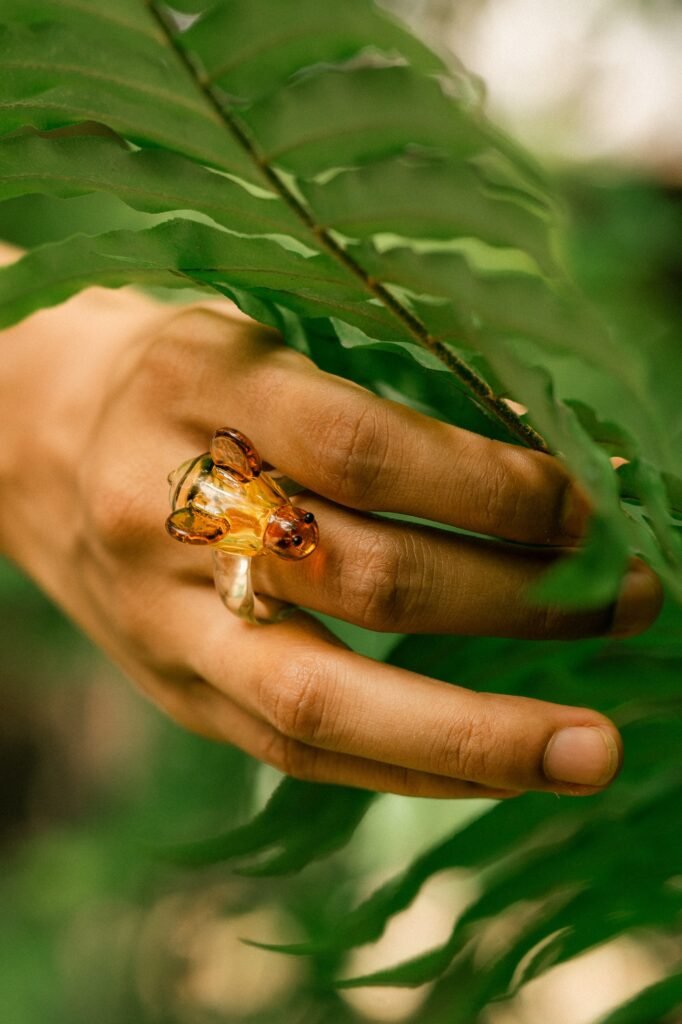
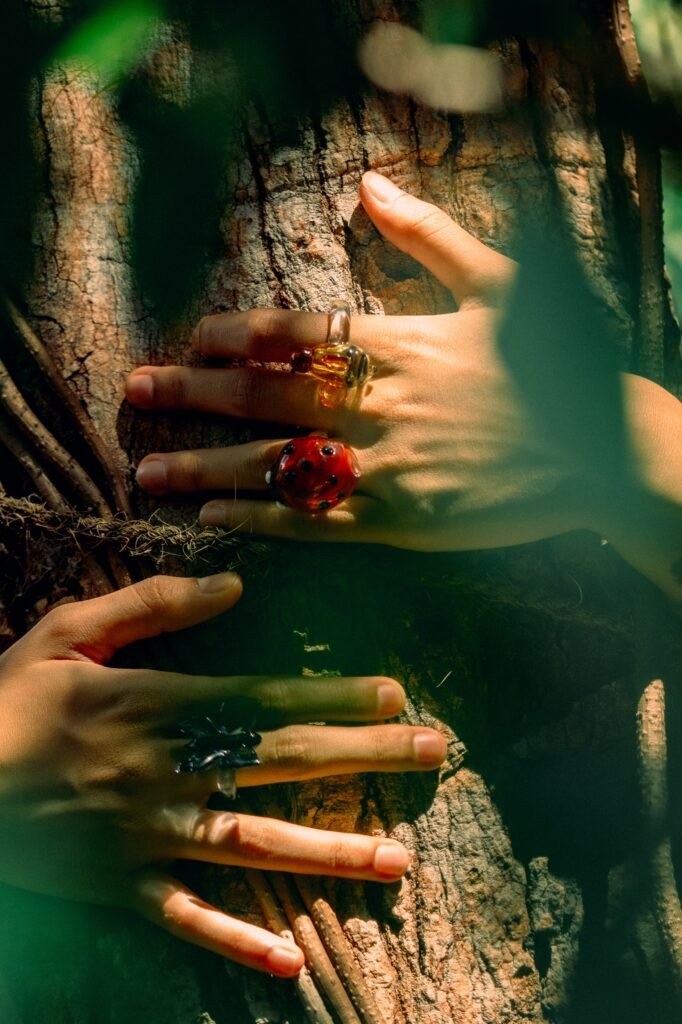
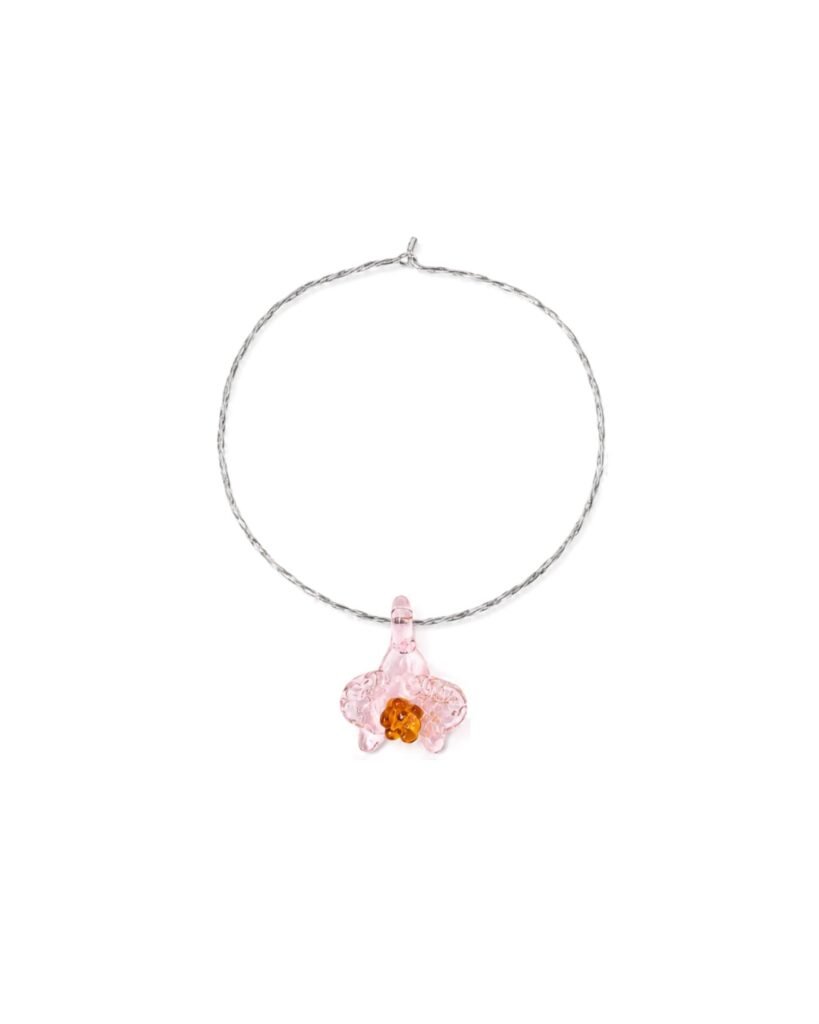
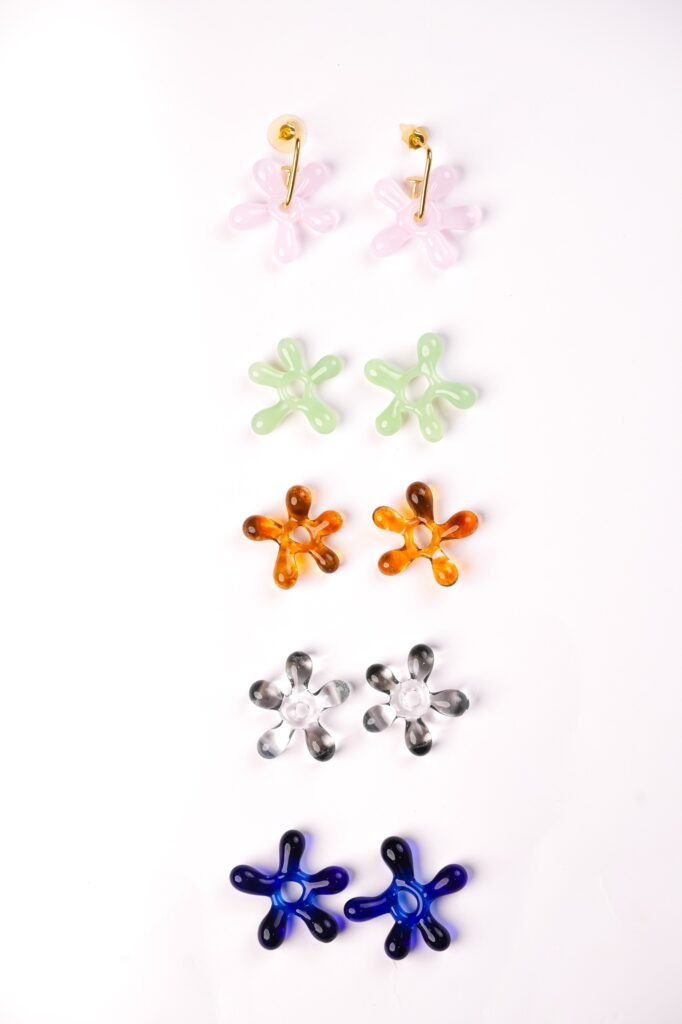
A lot of my inspiration comes from travel and nature, but honestly, some ideas come from the most random places. Sometimes I’m lying in bed at night and a colour combination or a shape will just flash in my mind, and I’ll immediately want to explore it. I usually start by sketching the idea and then thinking about the colours. I’m particularly drawn to unconventional colour combinations and putting together things you wouldn’t necessarily associate with each other. For example, you don’t naturally think of a green flower, so I might deliberately make a flower green. Or I might take something playful, like an elephant, and pair it with something traditionally elegant, like pearls. Once the idea is established, I start sampling with my artisans. And sampling glass is definitely a process — every pull, twist and blow of the glass requires constant attention. What I have in my head or on paper doesn’t always translate exactly into glass because the material has a mind of its own. Sometimes it turns out even better than I imagined. Other times, I have to completely let go of a design because what works on paper simply cannot be achieved in glass. I think that back-and-forth between my idea and the material is actually a very important part of the creative process.
In a market dominated by metallics and neutrals, how do you position AIROKAD between fashion jewellery and art objects?
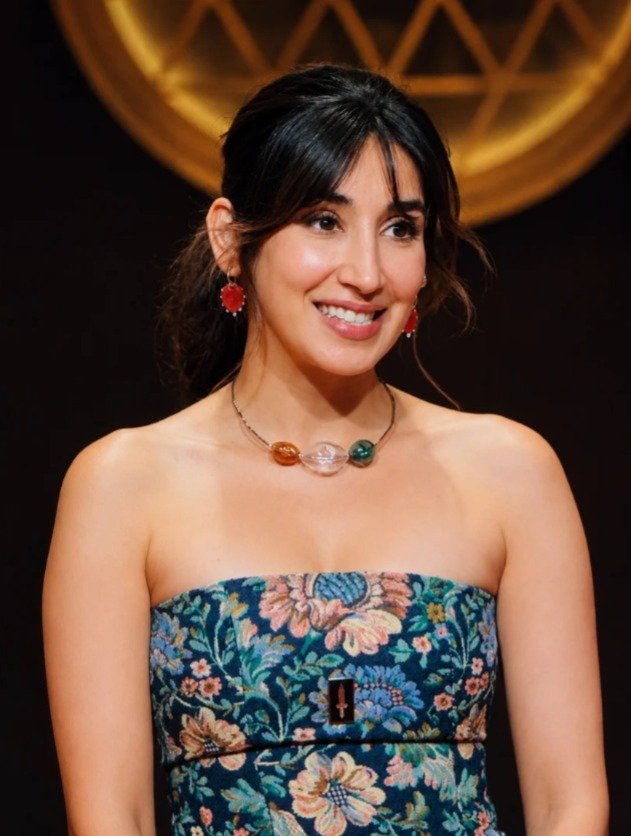
I’ve never really wanted AIROKAD to fit neatly into either category. I think of it as wearable art — pieces that are expressive and playful enough to feel like an object, but designed first and foremost to be worn. Jewellery is such a personal form of self-expression, and I wanted to bring more colour, humour and unexpected forms into that space. At the same time, we’re very conscious of wearability. The pieces need to work with an outfit and feel effortless enough that you actually want to wear them, rather than simply admire them.
Coming from a business background, what have you learned about working with glass and running a design studio that you wish you’d known earlier?
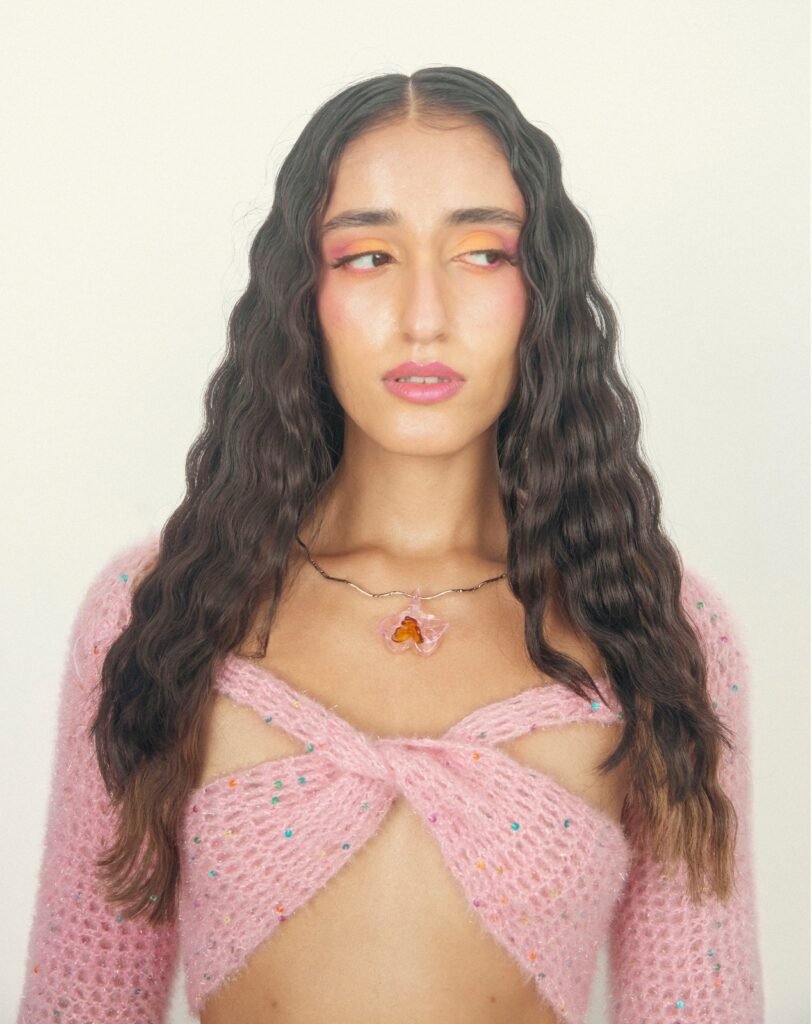
I wish I had understood earlier just how different building relationships with artisans can be from building relationships in a conventional corporate environment. Coming from a business background, I was used to working with processes, timelines and very structured professional relationships. Working with local artisans, particularly in rural India, has taught me that the relationship comes first. It takes time to understand each other, build trust and learn how they work. But once you build that relationship and really crack that connection with your artisans, running the business becomes so much easier. You’re able to communicate better, experiment more freely and build things together rather than simply giving instructions.
Another thing I’ve learned is the importance of building an organic audience and genuinely nurturing that community. Performance marketing is becoming increasingly expensive and competitive, and while it has its place, I don’t think a brand can rely on it alone in the long term. For AIROKAD, I want to build a community of people who genuinely connect with the brand — people who like the way we think, the colours, the craft and the slightly unconventional point of view. I think nurturing those relationships and creating a real sense of community is ultimately what builds long-term customers and a lasting brand.