
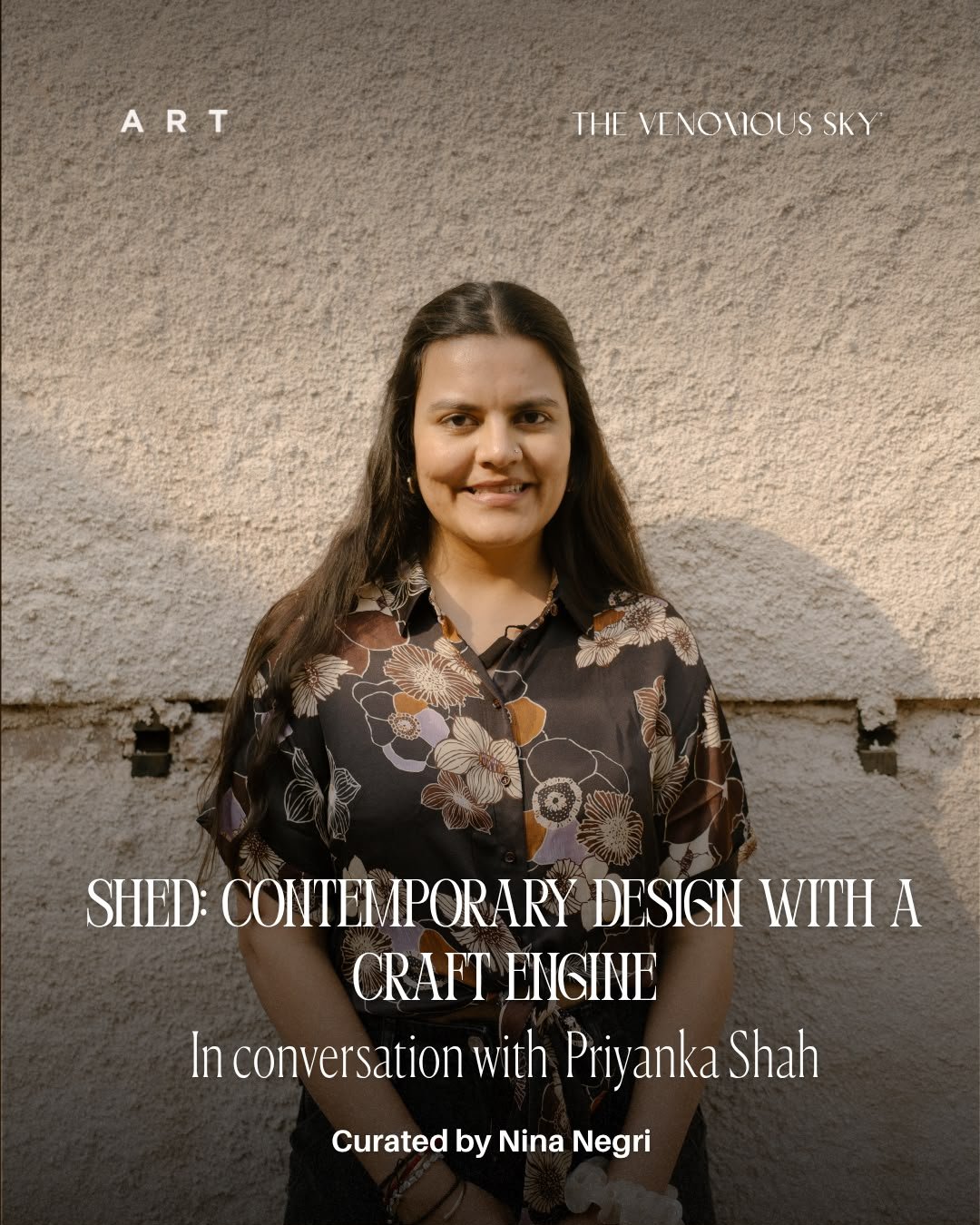
Contemporary design with a craft engine – In conversation with Priyanka Shah
1. SHED has four verticals: Atelier, Shop, Gifts and Consultancy. How do you decide what each one carries, and how do you keep them from pulling the studio in different directions?
These four directions are in fact derivative of each other in different ways. We have been quite fixated for a while now on figuring out how SHED can work across different scales of making: from a very singular, highly considered piece to something that can be made in tens or hundreds, without changing the way we think about design. The Atelier allows us to go very deep into an idea or a material. The Shop lets us take some of those ideas and make them more accessible and repeatable. Gifting is for pure scaleability, and genuine business growth for the sake of our team and our ambitions! Consultancy takes the knowledge we have accumulated through making and applies it to other products and contexts.
So I don’t really see them as four separations. There are four ways of exercising the same practice. The challenge is to make sure that each one strengthens the others rather than becoming a distraction from the core.
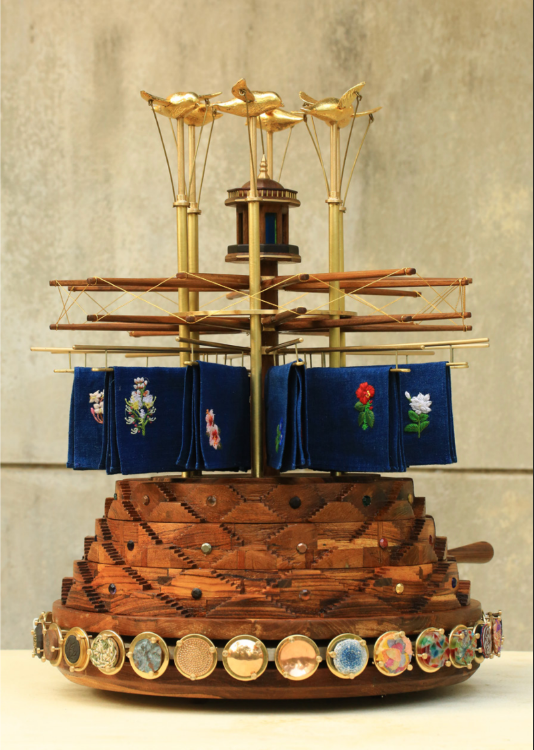
2. You say every object begins with a story, not a form. Taking one carrom, such as the Ranthambore board, how does a client’s story become a design, and when does it pass to the makers?
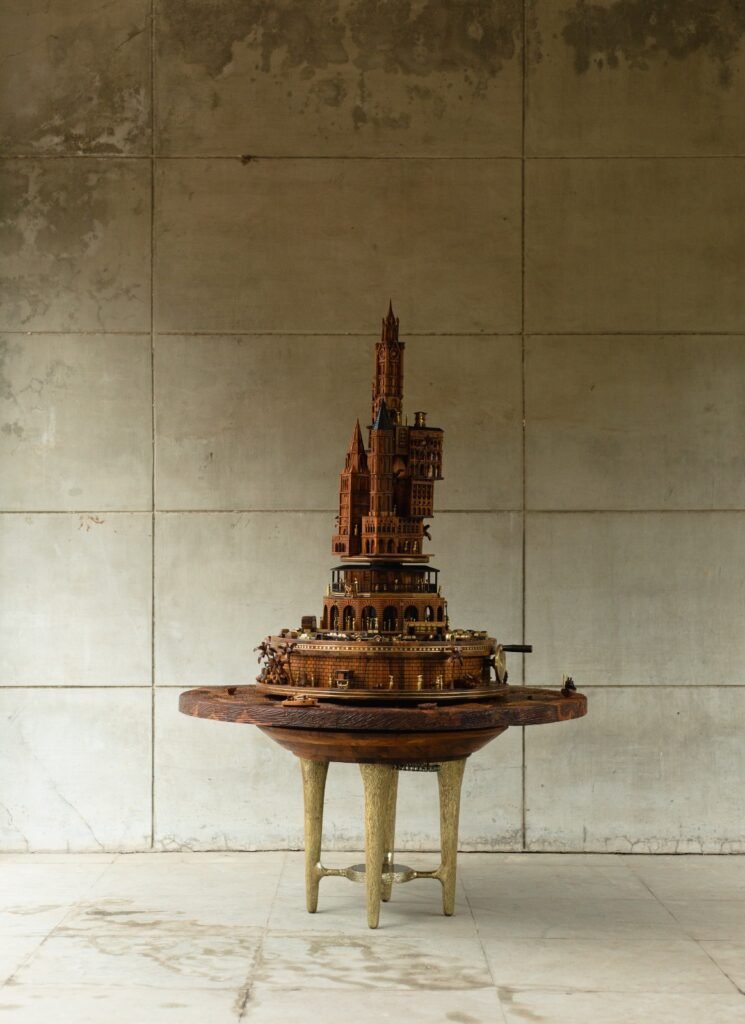
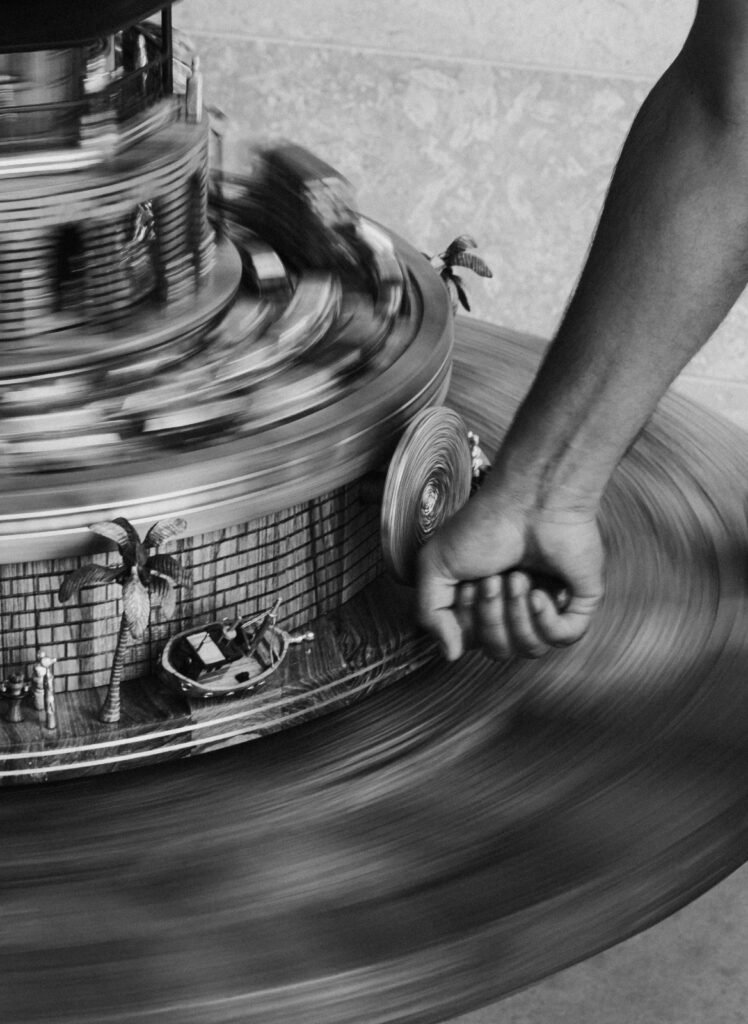
For us the story is really a starting point for research. With something like the Ranthambore carrom, we might start with a client’s association with a place — a memory of travelling there, a landscape, an animal, a particular visual or even a family story. We spend time understanding what is actually interesting within that story and then look for a visual as well as material language that can translate it into the object. We like building different layers of meaning which help us translate these ideas not just into the literal but also these felt experiential notions. We may have the larger idea, but the actual design evolves through conversations about material, scale, construction, movement and what is technically possible. There is a constant back and forth between the studio and the workshop. So there isn’t really a moment where design is ‘handed over’ to the maker. The making is part of the design process itself.
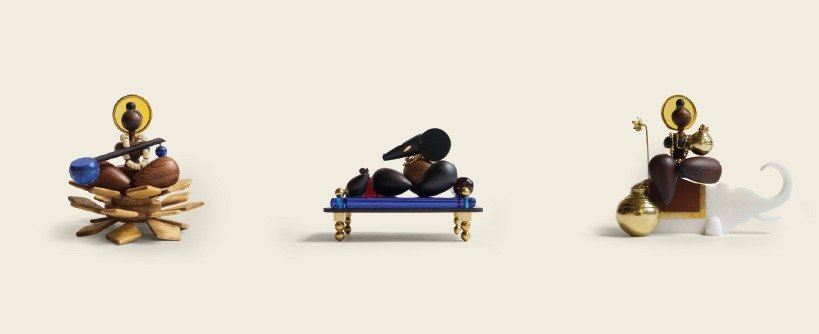
3. You position SHED as contemporary design with a craft engine, not heritage craft. How do you hold that position with buyers who expect “Indian craft” to mean something traditional?
I think the distinction is important for us. We are deeply interested in craft, but we don’t think craft has to look traditional. India has an extraordinary history of making, but it also has an extraordinary history of industry, construction, engineering and improvisation. Our own practice comes from learning from all of these things. For us, contemporary design doesn’t mean moving away from craft. It means giving craft new problems to solve. Sometimes that means taking a very old process and using it in a completely unfamiliar way. Sometimes it means bringing together a craft process with CAD, machinery or an industrial technique.
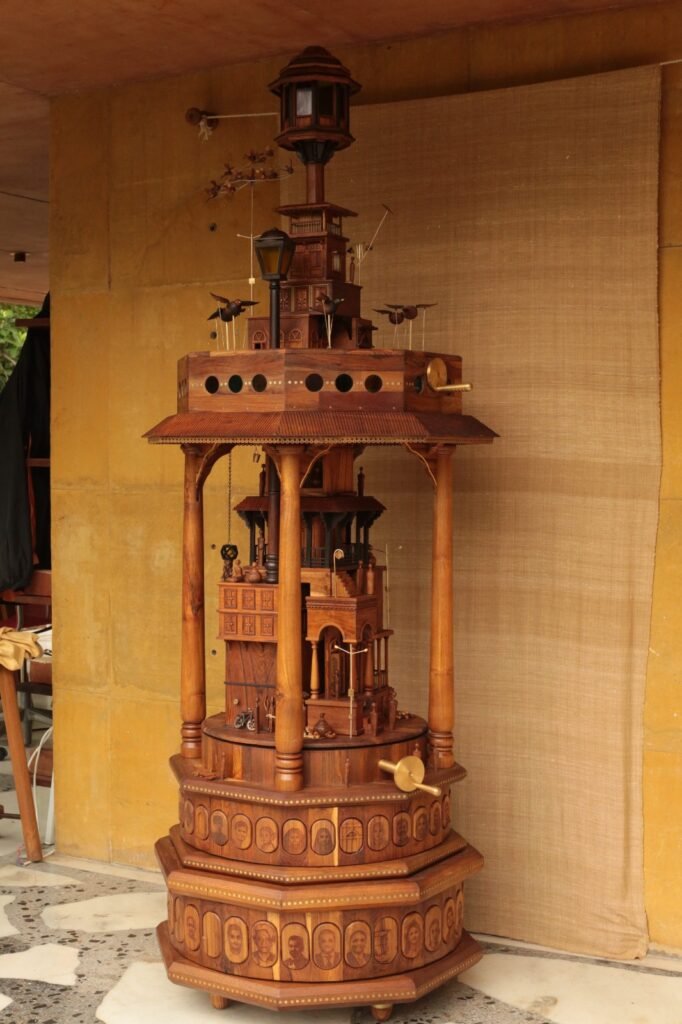
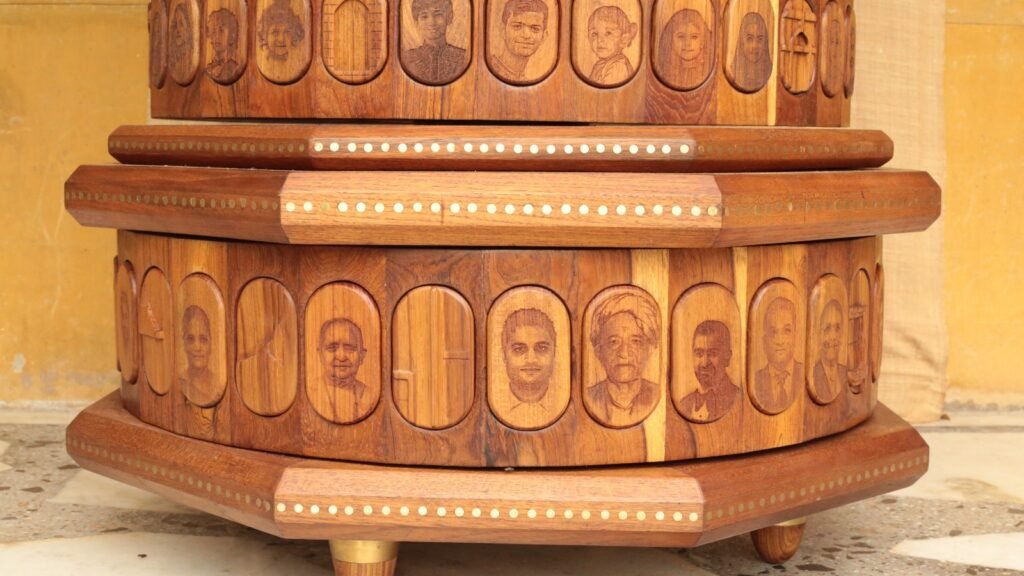
4. SHED borrows Surat’s diamond-industry precision for wood, glass, marble and metal. What does the design world misunderstand about industrial know-how?
Surat has an entire ecosystem built around taking a material, understanding its behaviour at an incredibly fine scale and repeatedly achieving a very precise result. That way of thinking has influenced us enormously. The interesting part for us is bringing that industrial mindset into materials and processes that are usually perhaps dismissed in the traditional language of craft. We really love this idea of ‘hacking’ industrial infrastructures to enable crafting and don’t look at the two as different. It allows us to be quite obsessive about precision without losing the human knowledge behind it and we like how it enables us to push our own limits. Industrial know-how is not just about efficiency, optimizing, or creating assembly lines. I look at it as pure tooling.
5. If you could change one thing in the next five years, whether fair pay, time at the bench, building for repair, or crediting makers by name, which would it be?
I want time at the bench, but that is only possible because of fair pay. I think one needs more time rather than less, and the world today is getting faster and faster. I wish one had more time at their disposal to experiment, play, engage or indulge in things that they truly like rather than being pulled in directions that one may not necessarily enjoy but would have to partake in because of not having enough leeway on resources like time and money.